 DCadmin
 December 3, 2025
The Cost of Poor Insulation
Canberra’s extreme climate—freezing winters and sweltering summers—makes energy consumption a major concern for homeowners. Without proper insulation, heat escapes in winter and invades in summer, forcing heating and cooling systems to work overtime. This leads to inflated energy bills and decreased system longevity.
How Insulation Works
Insulation acts as a thermal barrier. Whether it’s in your ceiling, walls, or under the floor, it slows down the transfer of heat. In winter, it helps trap warmth inside. In summer, it keeps the heat out. The result? Your home stays at a more even temperature without relying as much on artificial heating and cooling.
Ceiling, Wall & Underfloor Insulation
The three key areas for insulation are your ceiling, walls, and floor.
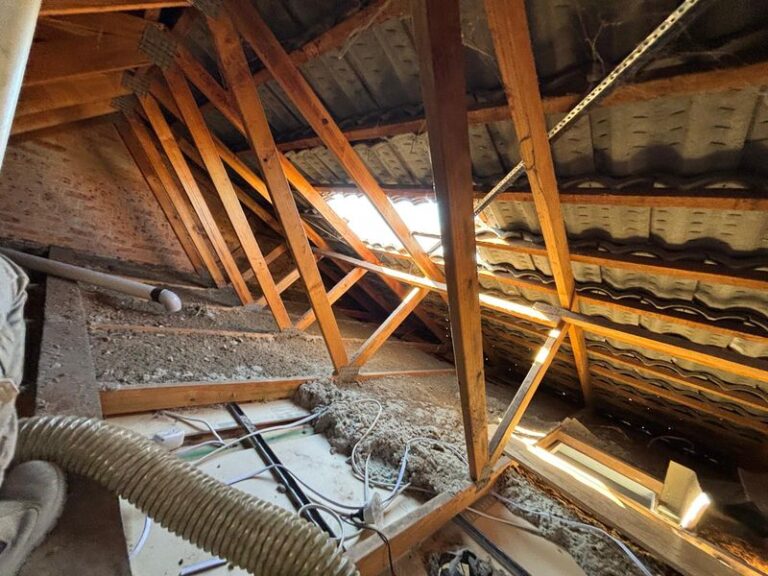
- Ceiling insulation stops rising warm air from escaping.
- Wall insulation prevents lateral heat exchange, stabilising interior temperatures.
- Underfloor insulation stops cold drafts rising up and heat loss through timber floorboards.
Even insulating just one of these areas can reduce your energy use significantly. When combined, they work together to create a comprehensive thermal envelope.
The Financial Impact
Homeowners often see substantial reductions in energy bills once insulation is installed correctly. The savings can be as much as 40% in some cases. Over time, these savings typically cover the initial installation cost—making insulation one of the most cost-effective home improvements you can make.
Added Benefits
Beyond reducing energy use, insulation improves comfort and helps reduce greenhouse gas emissions. It also extends the life of heating and cooling appliances by reducing how hard they need to work.